We Dissent
In praise of protest songs

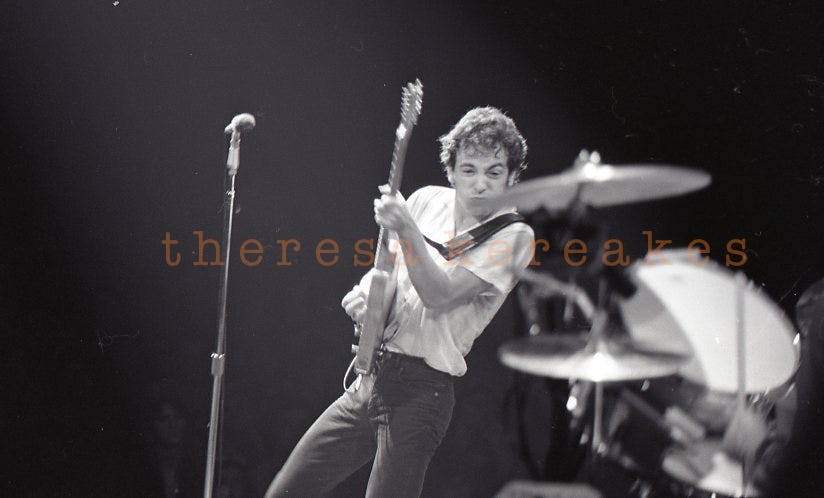
Several months ago, Bruce Springsteen released “electric” NEBRASKA. At the same time, the acoustic “Born in the USA” became available as well as a stripped down so-called “Electric Nebraska” take of it which is, for my ears, THEE version. It’s truly the protest song Bruce meant it to be. No way Ronald Reagan would mistake the angry, stripped down “Born in the USA” for a fist-pumping rah rah flag-waving song for the nation. You can read what I said about it HERE.
Last week, The Waterboys released a protest song of their own, “Don’t Even Have to Say His Name.”
The Dublin-based Scotsman, Mike Scott is no stranger to voicing his opinion on American politics in song (and as an American, I am happy for the support). The songs vary in delivery, from lilting melodies that still expose the ugly truth to grinding rockers and thoughtful ballads.
On 2022’s ALL SOULS HILL, a song entitled “The Liar” spells it out and calls out Moscow Mitch, Cruz and Hawley by name. There is a bonus track, “Painting America White,” he’s taking about “you know who.” It is direct; you know who he’s talking about. And as far back as 1984, on A PAGAN PLACE, Mike’s “Red Army Blues” deals with war from the eyes of a young conscript in the Russian Army.
Protest songs from the eyes of soldiers are classic.
I am particularly fond of Hayes Carll’s “KMAG YOYO.” It’s like “Bob Dylan’s 115th Dream” but for the US Air Force.
Jimmy Webb’s “Galveston,” a Vietnam War era hit for Glen Campbell is a protest song wrapped in a love song’s cloak. In 2010, the indie label in which I am a partner released this version by Hans Rotenberry (The Shazam) and Brad Jones. “Galveston” is a bonus track available only on the Japanese release on Air Mail Recordings.
Steve Earle, never a stranger to controversy, and in the proud tradition of all who influenced him, has a respectable catalogue of protest music. Here are but two recommendations from his long career of speaking up.
The Revolution Starts Now - the whole damn album
Jerusalem - includes the song “John Walker’s Blues,” about John Walker Lindh, the sole American member of the Taliban. Like any protest song from the eyes of a soldier, this song tries to understand a side that might not popularly be considered.
Billy Bragg is another protest poster boy. I’m proud of our decades-long friendship in protest /politics and music. His entire catalogue is a course book on using the power of song as a protest platform. Start with “Power in a Union,” which is a rally for and about the labor movement, but think about all the unions humans have.
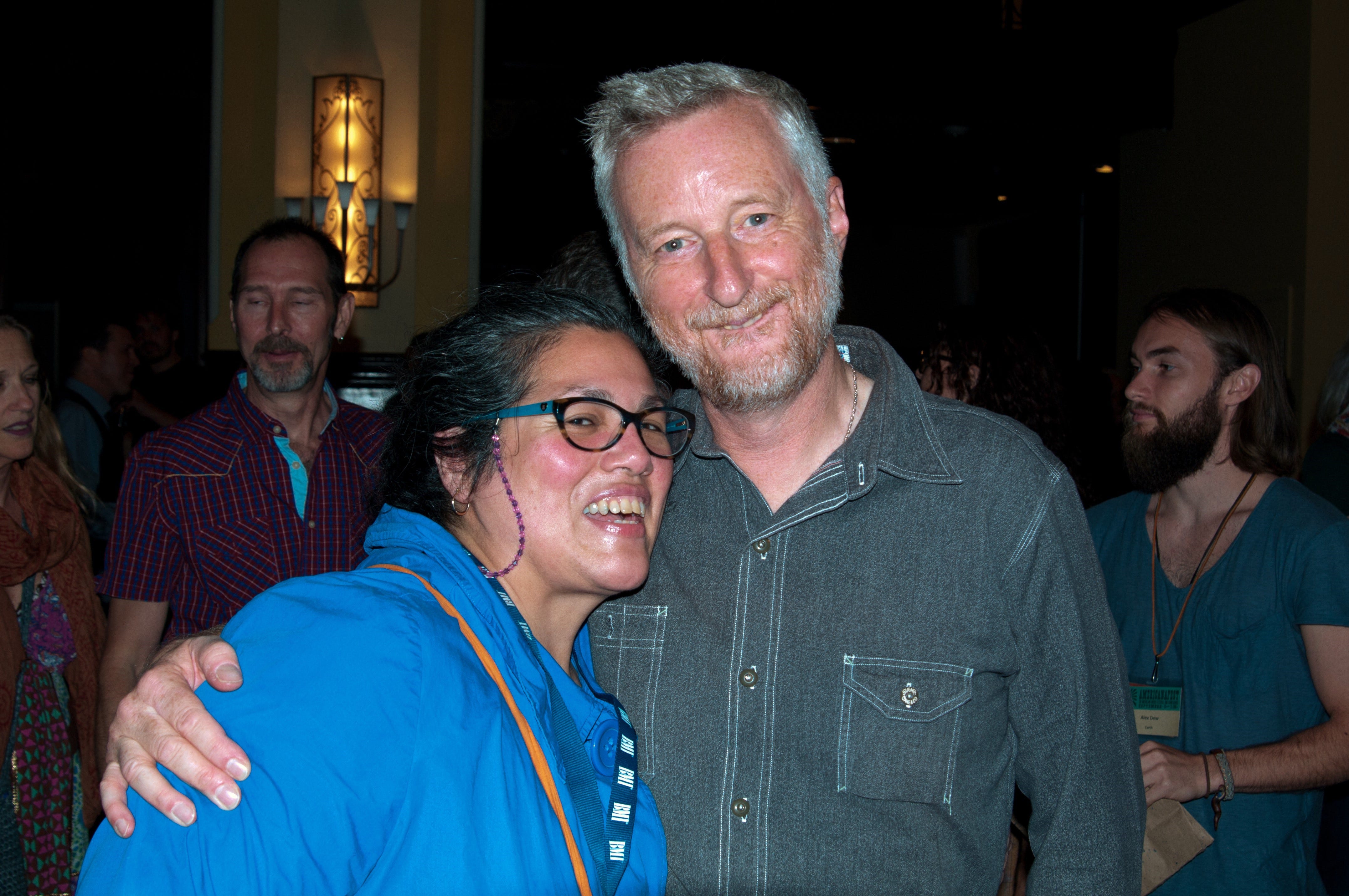
I spent more than a few months traipsing around with a Billy Bragg / Robyn Hitchcock tour - each of them playing solo acoustic. You may know Robyn Hitchcock as that splendid Surrealist, but his band The Soft Boys had one of the best protest songs in the 1980s - “I Wanna Destroy You.” It felt good to hear its message in pop music form. Here is a link to an interview with Robyn recounting how the song came to be recorded (it is a program called Behind the Song).
I’ve been building a playlist of protest songs for years. It’s taken that long because you know how your brain freezes when you need it but then you’re doing something completely different and you think of more? That. All the songs above are linked to Spotify or YouTube, but my own playlist is on Apple Music (they pay higher royalties to the creators), and here it is (if you don’t have or don’t want Apple Music, you are still able to see the list).
Lagniappe
Steve Earle and Bruce Springsteen both appear on The Waterboys’ 2025 inspirational and epic concept album LIFE DEATH AND DENNIS HOPPER. (Fiona Apple is also featured on the album)