Johnny Thunders
I Only Wrote This Song For You

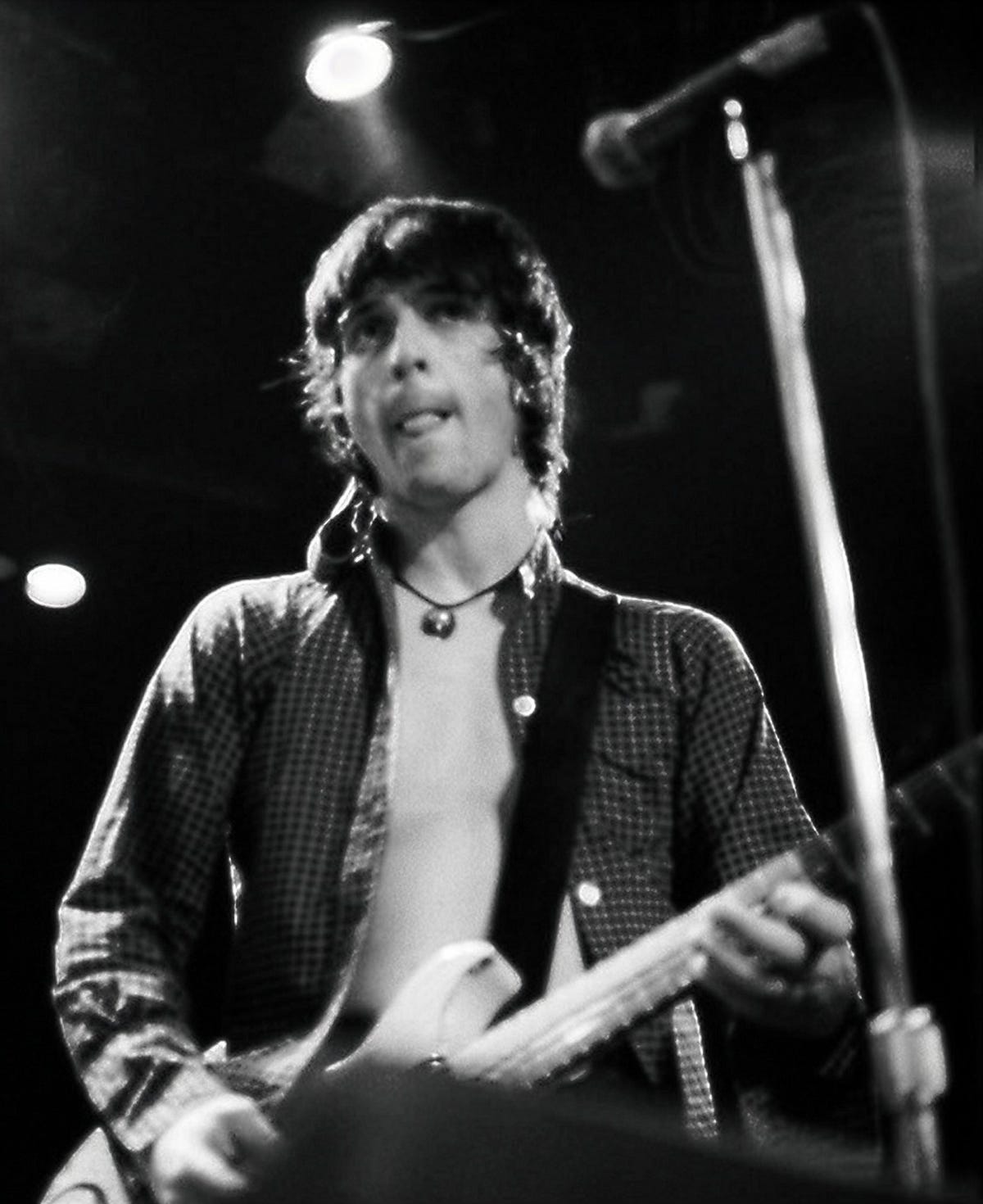
Johnny Thunders has been in and around the forefront of my mind for just about a year now - coming up in conversations of disparate origins. The conversations, however disparate, are among a group of friends who are diehard fans of the New York Dolls without hesitation.
Yesterday, a previously unfinished song of Johnny’s entered my already overflowing mind when I learned of the release of a new tribute album, thanks to my friend Mike Scott, whose band, The Waterboys, have a track on it.
You can buy the album here.
Mike wrote about this track in his Patreon:
And I've uploaded our track TAKING YOU UP AVENUE D above. Johnny Thunders wrote the title line, its melody and the songs chords and groove - and I heard them on one of the many jamming or outtake/live albums that proliferate in Johnny's ragged catalogue. I expanded his words to create the chorus then wrote the verses myself. The lyrics are a set of instructions and advice from an old hand to a would-be drug purchaser. Avenue D is the furthest east of the main streets in New York's "Alphabet City" on the Lower East Side, so called because, having run out of numbers for the avenues so far east, they used the letters A, B, C and D. It was a notorious haunt for gangsters, gangs, drug dealers and vice, generally cleaned up now.
Having known and spent time with Johnny in Alphabet City with his friends (and mine) Stiv Bators, Cynthia Ross (B Girls), and Spacely (they’ve all passed on except Cynthia and me), any music that tries to carry JT’s torch has to pass through my intense scrutiny, even if the creator is a friend and a musician whose work I admire and respect.
This performance by The Waterboys delivers!
The verses that Mike fleshed out of Johnny’s concepts hit home hard. Both Johnny and Spacely warned me not to be surprised by some of the things I’d see when Stiv, Cynthia and I would accompany him or Spacely on their Alphabet City shopping trips - Mike’s imagined them perfectly.
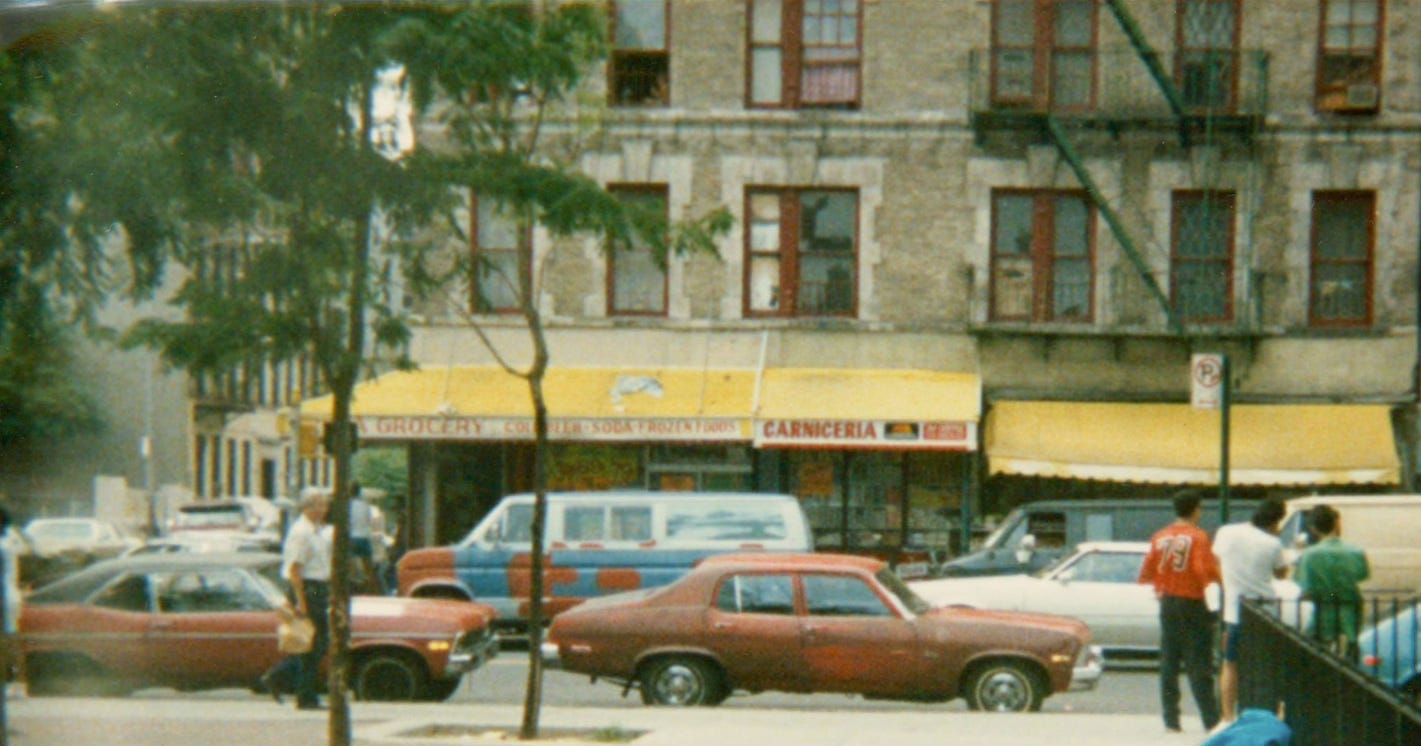

One evening in 1981, on the way to Johnny’s birthday party, Spacely slowed our pace and saved us from witnessing a walk-by shooting. We heard the shots, but that’s all. These days, Alphabet City is more than gentrified - and it’s just as unaffordable as the rest of Manhattan.
In the early 1990s, I lived in two Alphabet City apartments - first, on 10th Street between Avenues B and C, and then one on 2nd Street at Avenue C. Cab drivers still didn’t want to go that far east. But as the trendy neighborhoods in Manhattan became unaffordable, the Lower East Side became a destination for both affordable rents and rampant real estate development. During the time I lived there, the actor John Leguizamo bought a building on Avenue D (I think between 6th and 7th Streets) and that signaled to everyone - tenants and developers alike - that the Lower East Side was open for all real estate business, not just the marginalized renters anymore.
The Avenue D that The Waterboys sing about is in the Lower East Side of 1978 - peak punk rock… also the same year that Johnny’s solo album. SO ALONE was released.
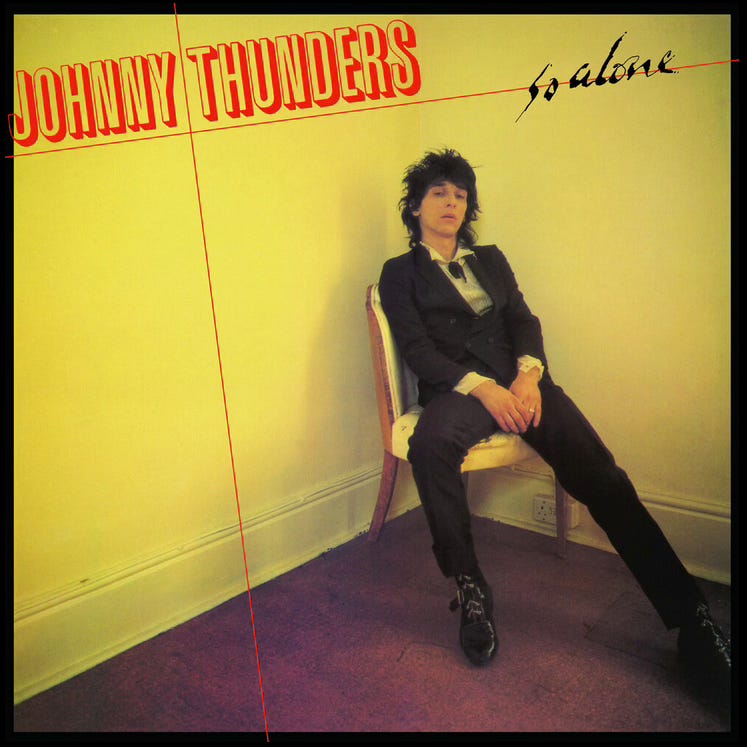
If the New York Dolls personified the “Trash” style of glitter becoming punk rock by combining all the best parts of all the rock and roll, glam, camp and R&B that came before, Johnny Thunders as a solo artist was probably the first Punk Dandy - absolutely no personality crisis at all! I’m sure the younger readers here (Gen Xers, I’m looking at you) relate the phrase “elegantly wasted” with Michael Hutchence of INXS with his slithery snake-hipped moves copped from all the best front men who preceded him - but “elegantly wasted” is what I immediately thought when I held a copy of SO ALONE in my hands in the Licorice Pizza record store on the Sunset Strip.
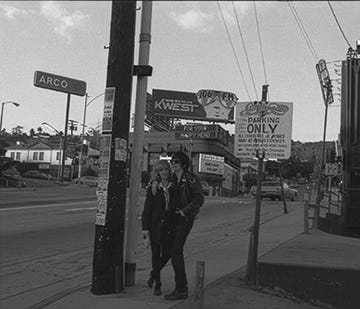
Johnny always looked good. He could be dashing and colorful, he could be wildly Bohemian, and he could be rascally and sweaty. He was always rock and roll in style and in substance. If attitude was illustrated or personified, Johnny Thunders would be the poster boy for “louche insouciance.” Lower East Side Devil May Care. Or May Not Care. And beaming stylishly all the while on the cat walk of the nightclub stage.
Band co-founder and guitarist Syl Sylvain studied fashion design and with future New York Dolls drummer Billy Murcia, ran a clothing business called Truth and Soul. Sylvain’s work and vision helped create the Dolls’ fashion image. They attracted other proto-fashionistas, like the late downtown fashion designer, Abbijane (Schifrin) who also dressed the Dolls and helped them maximize their style, and she continued to make a lot of Johnny’s clothes.
Johnny always rocked hard too, with a panoply of references to all my favorite musical trends from surf guitar to girl groups and the decidedly NYC/LES intertwining twin guitars - it wasn't just Television that played that - the Voidoids, Talking Heads1, and the Heartbreakers did too, and each of those bands spun it their way, and they’re all good.
1978 was a goldmine for New York Dolls fans with these two freshly released solo albums - Johnny’s and David’s.
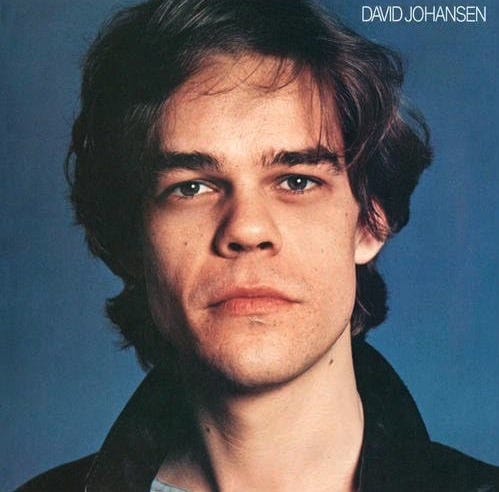
If you saw David’s never-ending 1978 club tour (with Sylvain at his side and the rest of the band from his native Staten Island - they were a solid band of brothers), you could see him developing into Buster Poindexter.
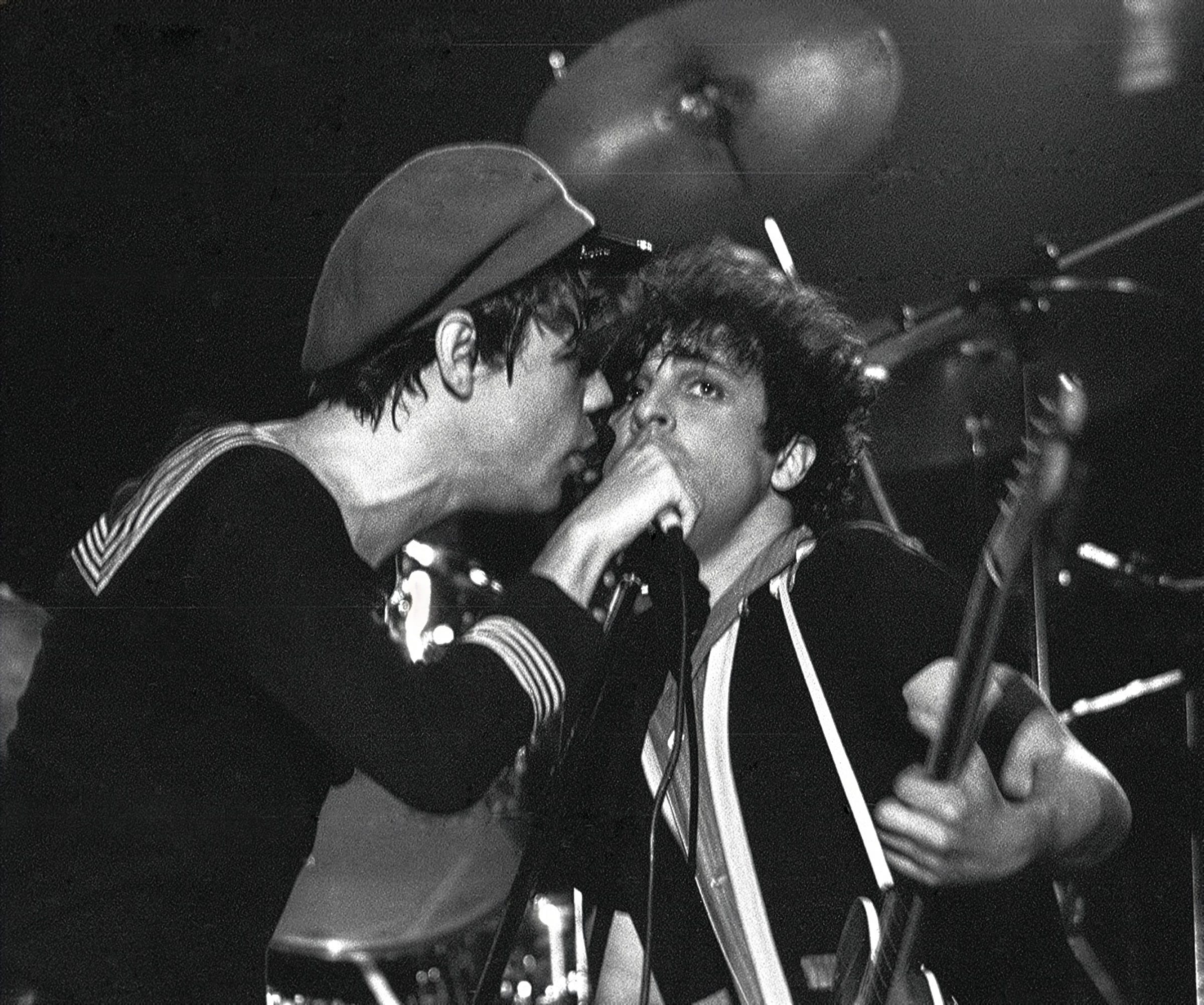
David Johansen and Syl Sylvain trashed their drag and opted for a perennially cool, almost Mod look when they toured in support of David’s eponymous solo release.
Johnny, on the other hand, was pure rock and roll - all of it - with his Heartbreakers… sweaty in leather pants, and their rooster hair just so.
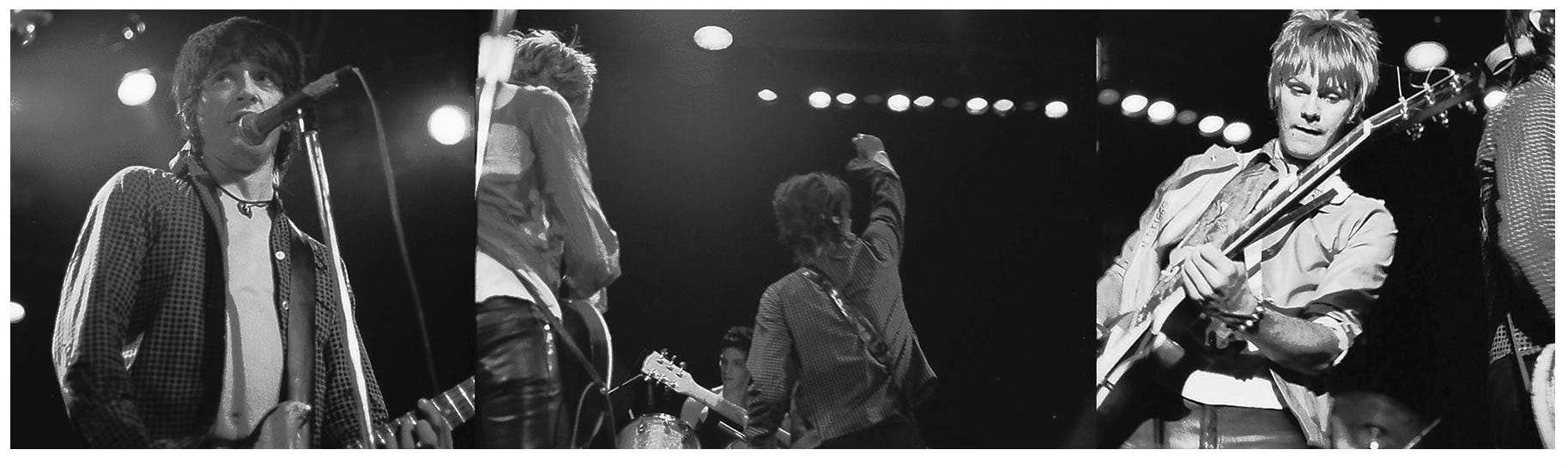
I had covered David’s shows photographically for Lobotomy, and for equal post-Dolls coverage, when The Heartbreakers came around in 1981, I asked Johnny if he might want to give us an interview. “I just play guitar you know. My music says all I wanna say.”
If you ever spoke with Johnny, you know that his voice was a stark contrast to his tough guy image. It was nasal and could be whiny and high pitched. And he’s right - his music tells you all about his NYC and his sensibilities. The release of the tribute record inspired me to listen to SO ALONE on repeat for a couple days.
When Johnny covers the girl groups, and has Patti Palladin duet with him on songs such as “Great Big Kiss,” it reminds me how tough those girl groups were in real life, and its easy to see their influences on Johnny Thunders AND the Ramones as well, and it is refreshing to see the continuum of rock and roll perpetuated from the originators through current artists in the tribute album.
In 2007, I was taking pictures in the recording studio with Shangri La’s lead vocalist, the late, great Mary Weiss for her first album in decades. She regaled me and Greg Cartwright, her producer, with tales of the Shangri La’s experiences sharing a stage with the Beatles, and how they pranked other bands on the multi-band bills they were booked on. They were teenagers and they had to hold their own, and it certainly sounded like they did. I think Johnny would have fit right into their girl gang and they would have enjoyed his company and his rock and roll sensibility and his rendition of “Great Big Kiss.”


On the tribute album, in addition to The Waterboys’s post-facto co-write with Johnny Thunders, I enjoy Sigue-Sigue Sputnik’s take on “Personality Crisis.” Band members Tony James (Generation X, Carbon/Silicon with The Clash’s Mick Jones) and Neal X (whose own band, The Montecristos are also on this tribute) seemed to have always channeled their New York Dolls influence even through the filter of some of their electronic offerings. The tribute comes through as such a labor of love with contributions from Johnny’s own collaborators in Patti Palladin, Wayne Kramer (MC5, and with Thunders as Gang War), and fellow NY Dolls and Heartbreakers -David Johansen, Sylvain Sylvain, Arthur Kane, and Walter Lure. Walter and his Waldos’ track, “Let’s Go” makes me feel like Johnny is right there. The album is equally New York and London, just as I remember Johnny (although we will always have Paris, too - where Stiv hosted all his NYC friends in his final days, even though we didn’t then know those days would be his last). Patti Palladin especially keeps it real 7182 - a punk Mary Weiss if ever!
We must never forget that Johnny Thunders was a superb guitar player with a style both dirty and clean, rhythmic and sinewy - he always played the right stuff, and the notable guitar players on these tracks do him justice - Sylvain, Walter, Brother Wayne Kramer, and Mike Scott.
Aside from playing vicious guitar, Johnny had a tender side, a poetic and thoughtful side, and so many songs on this album reflect his self-reflection.
I don’t write about Johnny’s bad choices and his addictions because he wrote about them far better than any of his critics.
I’ve always had a soft spot for Willy DeVille and his VERY NYC musical and personal style and I’m glad it is he who covers “You Can’t Put Your Arms Around a Memory.”3
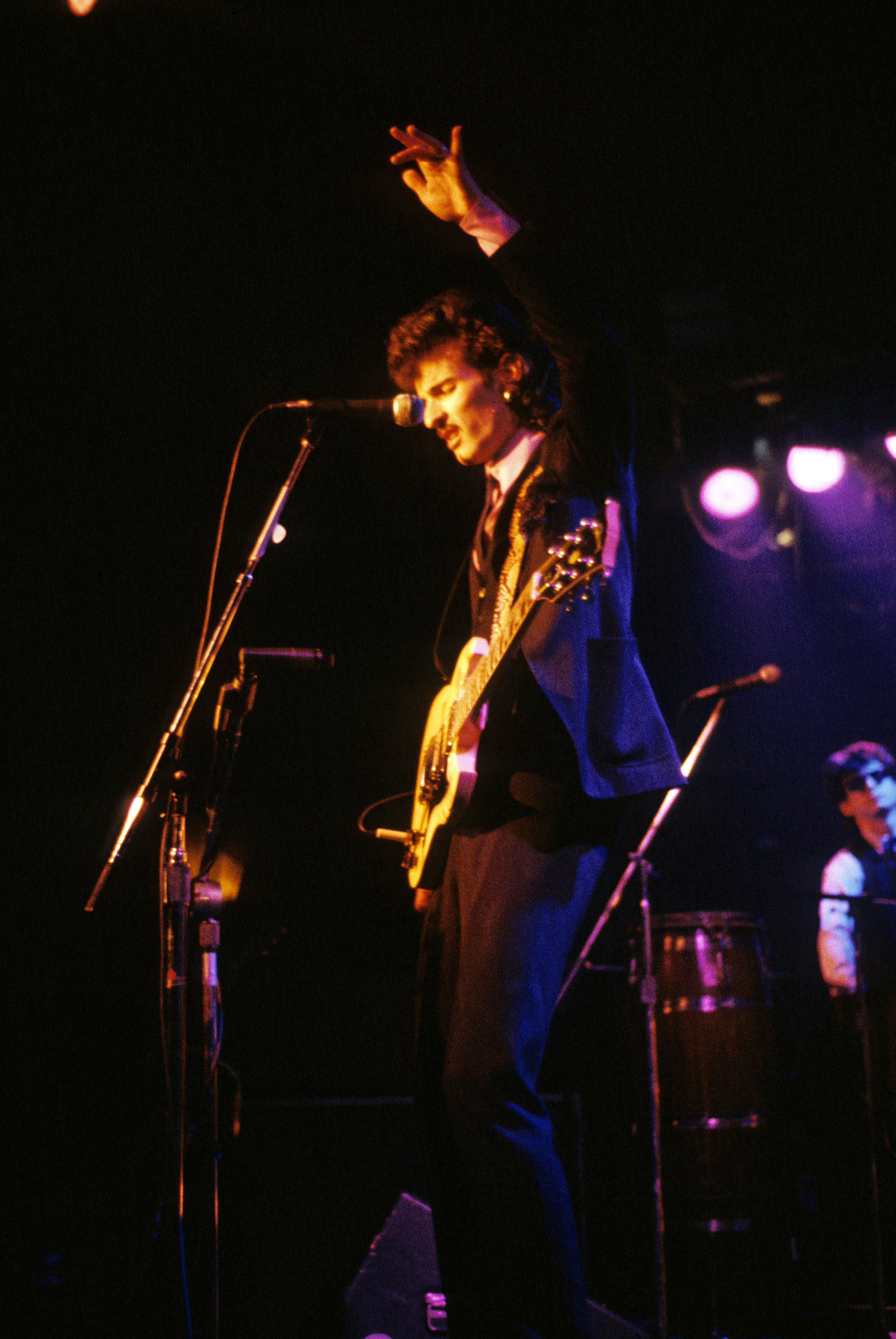
It is personally satisfying to hear Michael Monroe on two tracks. I spent the summers of 1985 and 1986 in London as flatmates with Stiv Bators and Michael Monroe.
I wrote about it earlier this year (but here is a Johnny-specific excerpt):
Little Steven took a shine to the tracks that Michael and Stiv were working on, and one night, we were at Neal’s Yard Recording Studio in Covent Garden when he came to visit (and offer production advice) with his wife Maureen, Patti Palladin, and Johnny Thunders. Johnny was in London, across a couple studios, making his own record (Que Sera Sera), and Patti was singing on it, and he eventually had all of our current circle of friends including Michael and Stiv perform on that record. Members of both Lords of the New Church and Hanoi Rocks and Dr. Feelgood’s Wilko Johnson are among the players on it.
My ability to sleep anywhere - including upright in a chair - worked against me during the few weeks all this recording occurred.
I took no pictures!
On the night at Neal’s Yard with Johnny, Patti, Steven, and Maureen, I was asleep on the couch in the lounge. I awoke to find Polaroids of me wearing clown makeup: white face, red nose. I touched my face, and although it didn’t feel like I had greasepaint all over me, I quickly ran to the ladies’ room to check my reflection. Nope, clean face. Not even lipstick traces.
When I returned to the lounge, the Polaroids were gone, and everyone was minding their own business. I’m fairly certain either Maureen or Patti told the guys they needed to wash the clown makeup off my face. To this day, no one claims to remember this night at all - except Maureen. I suspect that Stiv swore everyone to secrecy and they obliged because he would easily pull a similar prank on them because he was the king of practical jokes.
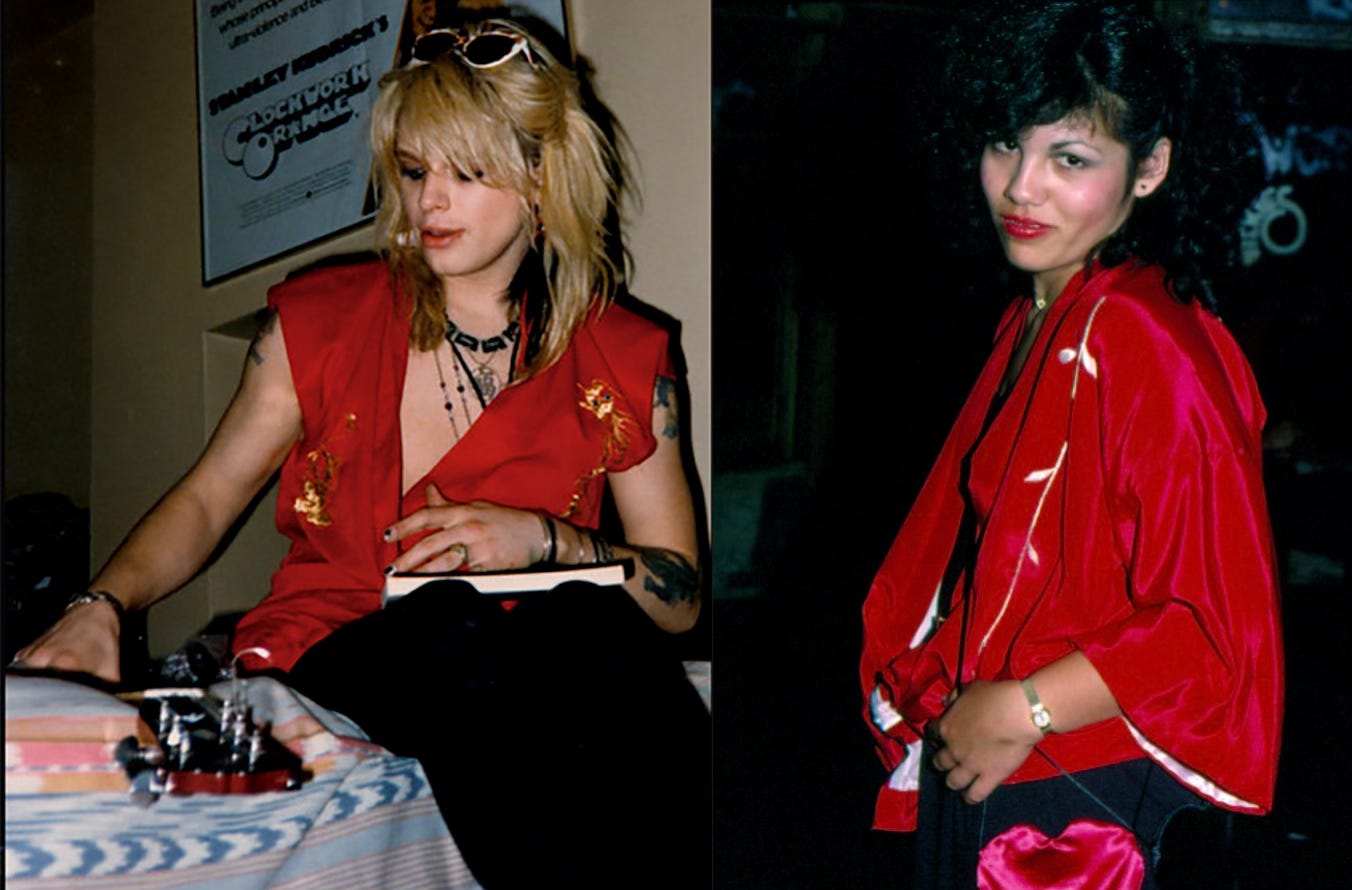
You could say Michael’s band, Hanoi Rocks was a living tribute to the New York Dolls (and their bassist, Sami Yaffa did play in a latter day Dolls lineup) whose original songs were absolutely Dolls-inspired. Michael’s vocals on his two songs deliver the power that David Johansen could. Finally Hanoi Rocks was the bridge between younger rockers and the New York Dolls, directly influencing the likes of Mötley Crüe, Jetboy, Poison, L.A. Guns, and Guns and Roses by extension. All the hair and clothes and trashy guitar-forward music was a result of listening to The New York Dolls and how they revitalized rock and roll, paved the way for punk, and made androgynous glam looks acceptable to suburban kids.
All those studio nights I spent with Michael and Stiv in London that included Johnny Thunders involved a lot of music in addition to the clown makeup, disappearing Polaroids, and sleeping through loud rock and roll on the studio couch. Michael contributed saxophone and Stiv backing vocals on Johnny’s album Que Sera Sera, recorded that summer. But I remember all of these guys for the hijinks JUST AS MUCH as I remember their music. Rock and Roll is supposed to be fun. With these guys, it was.
If receiving these long emails is keeping you from subscribing, but you want to materially support this work, which goes towards bringing my traveling photo and storytelling show on the road to you, you can donate what you like at this link.
Before their poly-rhythmic World Music phase, Talking Heads live shows around the time Jerry Harrison joined (on second guitar and keyboards) invoked the intertwining dual guitars, and Harrison himself described those live explorations as some of his favorite renditions of the songs, which were recorded fairly straightforward. I observed the Verlaine/Lloyd nod in Lobotomy’s January 1978 issue, after seeing and interviewing them in December 1977, when David Byrne told us his biggest influence at that time was gamelan music, giving our readers a veiled clue as to what to expect from the Heads in the future.
For those who don’t know, 718 is the telephone area code for NYC’s Outer Boroughs of Brooklyn, Queens, and Staten Island.
Please listen to Willy’s cover. The arrangement sounds like Willy had been listening to Graham Parker’s late 1980s albums - The Mona Lisa’s Sister, and Human Soul. I have listened to this tribute album six or seven times now, and that’s the vibe I get. Please weigh in!
What a great article. Well written nostalgia always gets a standing-o. I love the sixties, but the seventies wins every fucking time.
I only got to see the Dolls when David and Sylvain hit the road around 2007, or something. I did see Gang War open for the Clash in ‘79 though.
Thunders was one of a kind, and man, he could play.
You must know Phyllis Stein then, she was friends with all these people and took photos just like you. She produces a lot of Danny Garcia's films. She really needs to publish her photos. This is a great write-up. I saw Johnny Thunders in the 80's at the Roxy, he was pretty high unfortunately. But yes he definitely was a legend.